Showing posts with label investment. Show all posts

Pi network the revolution on cryprto currency 2023-24

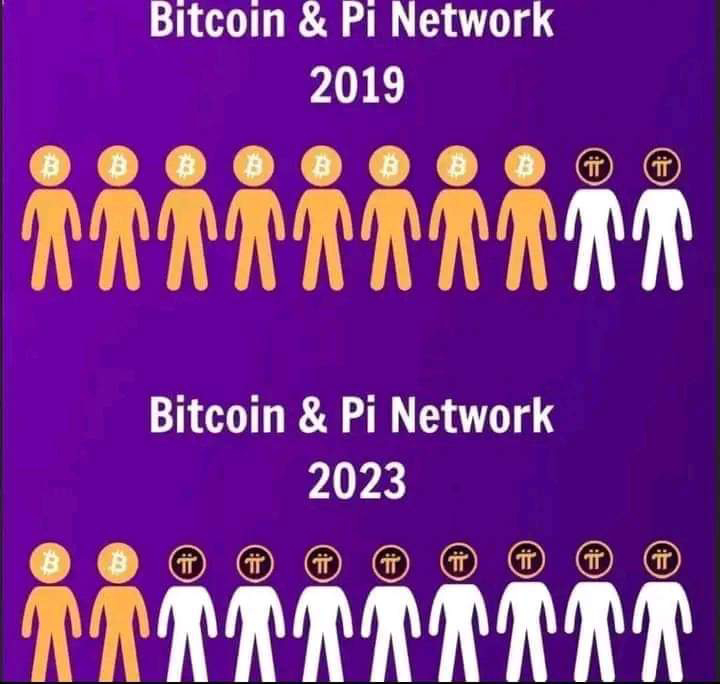
Pi Network | The Revolutionary Cryptocurrency Born from Stanford Brilliance
In the fast-paced world of cryptocurrencies, a new star is rising: Pi Network. But Pi is not just another digital coin; it's the first cryptocurrency designed to be mined by ordinary people. This groundbreaking project is the brainchild of three PhDs from Stanford University: Vince McPhilip, Chengdiao Fan, and Nicolas Kokkalis.
What Sets Pi Network Apart?You might be asking yourself, "What's the catch?" Well, Pi Network is unique in several ways. Firstly, it's accessible to everyone through a user-friendly app available on Android and iOS. But here's the twist: you can't just download it from the app store. You need an invitation code to join, and we've got you covered with "alaxos."
Once you're in, you gain access to valuable features like checking your balance, monitoring your mining rate, and understanding your role within the network. And the best part – mining is a breeze. All you have to do is press a button once every 24 hours, and it won't deplete your smartphone's battery. You can even close the app, and the mining process will continue in the background, quietly accumulating rewards for you.
Decrypting Pi Network: MainNet, Roles, and MoreIf terms like "MainNet," "mining," "role," and "balance" sound confusing, don't worry; we've got you covered:
MainNet: Pi Network is gearing up to launch MainNet, a platform that will introduce various applications and stores, enabling you to use your Pi tokens and kickstart an exciting new economic ecosystem.
Mining: Mining on Pi Network is all about contributing your time and processing power to secure the network and earn Pi tokens as a reward. It's as simple as pressing a button daily.
Role: Your role within the network determines your level of engagement and influence. The more you contribute, the higher your role becomes, potentially leading to greater rewards.
Balance: Your balance is where you can keep tabs on how many Pi tokens you've earned through your mining efforts.
Fortifying Pi Network: 
The Anti-Fake MechanismPi Network places a strong emphasis on security and authenticity, ensuring that it's real people, not bots, who benefit. 
Here's how they do it:
They employ Google's ReCaptcha Version 3, which distinguishes between humans and bots, making it virtually invisible to legitimate users but a formidable barrier for bots.The Pi consensus algorithm, featuring security circles, helps identify fake accounts by measuring the number of real people vouching for them through these circles.As Pi Network progresses into its final phase, MainNet, only accounts validated as distinct real individuals will be recognized. This stringent verification process ensures that bots cannot claim Pi tokens.Get Started Today
Now that you have a clearer picture of Pi Network, you're probably wondering, "What do I have to lose by pressing a button every 24 hours?" The answer is simple: nothing. But what you stand to gain is significant. Pi Network is poised to reshape the cryptocurrency landscape, and you can be a part of this revolution.
So, don't hesitate.
 Use the invitation code "Siroobarifresh" embark on your Pi Network journey, and begin mining for Pi tokens today. This could be your chance to be part of something big in the world of cryptocurrency.

Regenerative Agriculture: The Future and Beyond


In recent years, there has been growing interest in regenerative agriculture as a sustainable approach to farming that can restore soil health, improve ecosystem function, and mitigate climate change. At its core, regenerative agriculture is a holistic approach that seeks to enhance natural processes, promote biodiversity, and increase resilience to environmental challenges.


In this article, we will explore the key principles of regenerative agriculture and the benefits it offers. We will also discuss the challenges and opportunities facing farmers, businesses, and consumers in adopting regenerative agriculture practices.

Farm Produce


What is Regenerative Agriculture?


Regenerative agriculture is a farming approach that focuses on building soil health, restoring ecosystem function, and promoting biodiversity. It seeks to emulate natural systems and processes, such as nutrient cycling, soil biology, and water management, to enhance the productivity and sustainability of farms.


Regenerative agriculture goes beyond sustainable agriculture, which mainly seeks to minimize environmental impacts, to actively restore and regenerate degraded land. It also emphasizes the importance of community and farmer well-being, as well as animal welfare and ethical practices.


The Market Size of Regenerative Agriculture

The global regenerative agriculture market size is expected to reach $81.6 billion by 2023, according to a report by Research and Markets. This growth is being driven by several factors, including:

Increasing consumer demand for sustainably produced food: As consumers become more aware of the environmental and social impacts of their food choices, there is a growing demand for food that is produced using regenerative agriculture practices.

Government support for sustainable agriculture: Many governments are providing financial incentives for farmers to adopt regenerative agriculture practices, which can help to increase adoption rates.

Growing interest from investors: As the potential benefits of regenerative agriculture become more widely recognized, there is growing interest from investors in supporting companies and organizations that are promoting these practices.


The key principles of regenerative agriculture include:


Soil health: Regenerative agriculture emphasizes the importance of soil health, as healthy soil is the foundation for productive and sustainable farming. It promotes practices such as reduced tillage, cover cropping, crop rotations, and composting, which enhance soil fertility, structure, and biodiversity.

Biodiversity: Regenerative agriculture seeks to promote biodiversity, as it plays a crucial role in ecosystem function and resilience. It encourages practices such as intercropping, agroforestry, and habitat restoration, which provide habitat for beneficial insects, pollinators, and wildlife.

Water management: Regenerative agriculture emphasizes the importance of water management, as water is a critical resource for farming and the environment. It promotes practices such as water harvesting, conservation tillage, and crop diversification, which help to improve water quality and availability.

Community and farmer well-being: Regenerative agriculture recognizes the importance of community and farmer well-being, as they are essential for the long-term success of farming. It promotes practices such as fair trade, local food systems, and farmer education, which enhance the social and economic resilience of communities.


Benefits of Regenerative Agriculture


Regenerative agriculture offers numerous benefits, both for farmers and the environment. Some of the key benefits include:

Improved soil health: Regenerative agriculture can improve soil health, which can lead to increased crop yields, reduced erosion, and enhanced nutrient cycling.

Increased biodiversity: Regenerative agriculture can increase biodiversity, which can help to control pests and diseases, improve soil fertility, and enhance ecosystem services.

Reduced greenhouse gas emissions: Regenerative agriculture can reduce greenhouse gas emissions, as it promotes practices such as carbon sequestration, which can help to mitigate climate change.

Improved water quality and availability: Regenerative agriculture can improve water quality and availability, which can benefit both farmers and the environment.

Enhanced community resilience: Regenerative agriculture can enhance community resilience, as it promotes practices such as local food systems and fair trade, which can support rural economies and livelihoods.

Challenges and Opportunities

Despite its many benefits, regenerative agriculture faces several challenges and opportunities. Some of the key challenges include:

Knowledge and education: Regenerative agriculture requires a significant shift in farming practices, which can be challenging for farmers who lack the knowledge and education to adopt new practices.

Access to markets: Regenerative agriculture products may face challenges in accessing markets, as they may be more expensive or less familiar to consumers.

Policy and regulation: Regenerative agriculture may face challenges in policy and regulation, as current policies and regulations may favor conventional agriculture practices.

Infrastructure and technology: Regenerative agriculture may seem like a return to traditional farming methods, but that doesn't mean it's completely devoid of technology. In fact, technology plays a crucial role in implementing regenerative practices on a large scale.

One important tool is precision agriculture, which uses GPS and other sensors to optimize inputs like water, fertilizer, and pesticides. By applying these inputs only where and when they're needed, farmers can reduce waste and minimize their impact on the environment.

Another key piece of infrastructure is the supply chain. Regenerative farmers need access to markets that value their products, which often means bypassing traditional commodity markets and working directly with consumers or smaller-scale buyers like restaurants and local grocers. Creating these alternative supply chains can be challenging, but it's a critical part of making regenerative agriculture financially viable for farmers.

Finally, regenerative agriculture also relies on innovative practices like cover cropping and no-till farming, which can require specialized equipment and technology. For example, planting cover crops between cash crops can be a labor-intensive process, but new tools like interseeder machines can automate the process and make it more efficient.

Overall, infrastructure and technology are essential to making regenerative agriculture work at scale. By investing in these areas, we can make regenerative practices more accessible and financially viable for farmers, while also reducing the environmental impact of agriculture.


The Corrupt Fiat Money System That's Keeping The Average Person Poor Is Already On The Way Out


Money is a basic necessity in life, yet the current fiat money system is plagued with corruption and inefficiencies that disproportionately affect the average person. In this article, we will examine the problems with the current fiat money system, how it keeps the average person poor, and why it is already on its way out.


What is the fiat money system?

Before we can understand the problems with the fiat money system, we need to understand what it is. Simply put, fiat money is currency that is not backed by a physical commodity like gold or silver. Instead, it is backed by the government's promise to pay its debts. This system has been in place since 1971 when President Nixon ended the gold standard.

How does the fiat money system keep the average person poor?

The fiat money system has several problems that make it difficult for the average person to accumulate wealth. Here are a few ways that the current system is rigged against the little guy:

Inflation

Since fiat money is not backed by a physical commodity, governments can print as much of it as they want. This leads to inflation, which erodes the purchasing power of the average person's savings. Inflation disproportionately affects the poor and middle class because they have less access to assets that appreciate in value, like stocks and real estate.

Debt-based economy

The fiat money system is a debt-based economy, which means that money is created through loans. This system incentivizes banks to lend more money than they have in reserves, which creates a vicious cycle of debt. The average person is encouraged to take on more debt than they can afford, which keeps them in a cycle of poverty.

Wealth inequality

The fiat money system also contributes to wealth inequality. Since the government can print as much money as it wants, it can bail out big banks and corporations while leaving the average person to suffer. This leads to a concentration of wealth at the top, which makes it even harder for the average person to get ahead.

Why is the fiat money system on its way out?

The problems with the fiat money system are becoming more apparent every day, and many experts predict that it is on its way out. Here are a few reasons why:

Rise of cryptocurrency

Cryptocurrencies like Bitcoin and Ethereum offer a decentralized alternative to the current fiat money system. They are not controlled by any government or central authority, which makes them immune to inflation and government corruption. Many people are turning to cryptocurrency as a way to protect their wealth from the current system.

Central bank digital currencies

Central banks around the world are also exploring the possibility of creating their own digital currencies. These currencies would offer the benefits of cryptocurrency while still being controlled by the government. While this may not be a perfect solution, it could offer a way to transition away from the current fiat money system.

Lack of trust in government

The current political climate has eroded trust in governments around the world. Many people no longer believe that their governments have their best interests at heart, which makes it difficult to maintain a fiat money system that relies on the government's promise to pay its debts.

Conclusion

The fiat money system is a corrupt and inefficient system that disproportionately affects the average person. However, there is hope for a better future. Cryptocurrencies and digital currencies offer alternatives to the current system, and the lack of trust in government may be the catalyst needed to bring about change. It is up to each individual to take control of their financial future and explore alternatives to the corrupt fiat money system.

Click here to join Project Serenity


FAQs

What is the difference between fiat money and cryptocurrency?

Fiat money is currency that is not backed by a physical commodity and is controlled by the government, while cryptocurrency is a decentralized digital currency that is not controlled by any government or central authority.

How does the fiat money system contribute to wealth inequality?

The fiat money system allows the government to print as much money as it wants, which can lead to inflation and a concentration of wealth at the top. The government can also bail out big banks and corporations, leaving the average person to suffer.

Can the current fiat money system be reformed?

While it is possible to reform the current system, it may be difficult to do so without addressing the root causes of its problems, such as the debt-based economy and lack of trust in government.

Is it risky to invest in cryptocurrency?

As with any investment, there is always some level of risk involved in investing in cryptocurrency. However, many people see cryptocurrency as a way to diversify their portfolios and protect their wealth from the current fiat money system.

How can individuals take control of their financial future?

Individuals can take control of their financial future by exploring alternative investment options, such as cryptocurrency or precious metals, and by educating themselves on personal finance and money management. It is also important to advocate for political and economic reforms that support a more equitable and transparent financial system.


Recent activity

"PM Modi's Green Credit Initiative Takes Center Stage: A Paradigm Shift in Environmental Stewardship"

In a groundbreaking move at the COP28 summit, Prime Minister Modi unveiled the Green Credit Initiative, marking a revolutionary ...